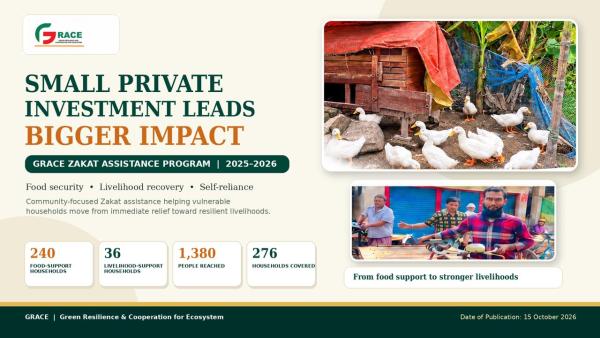


Climate Resilience
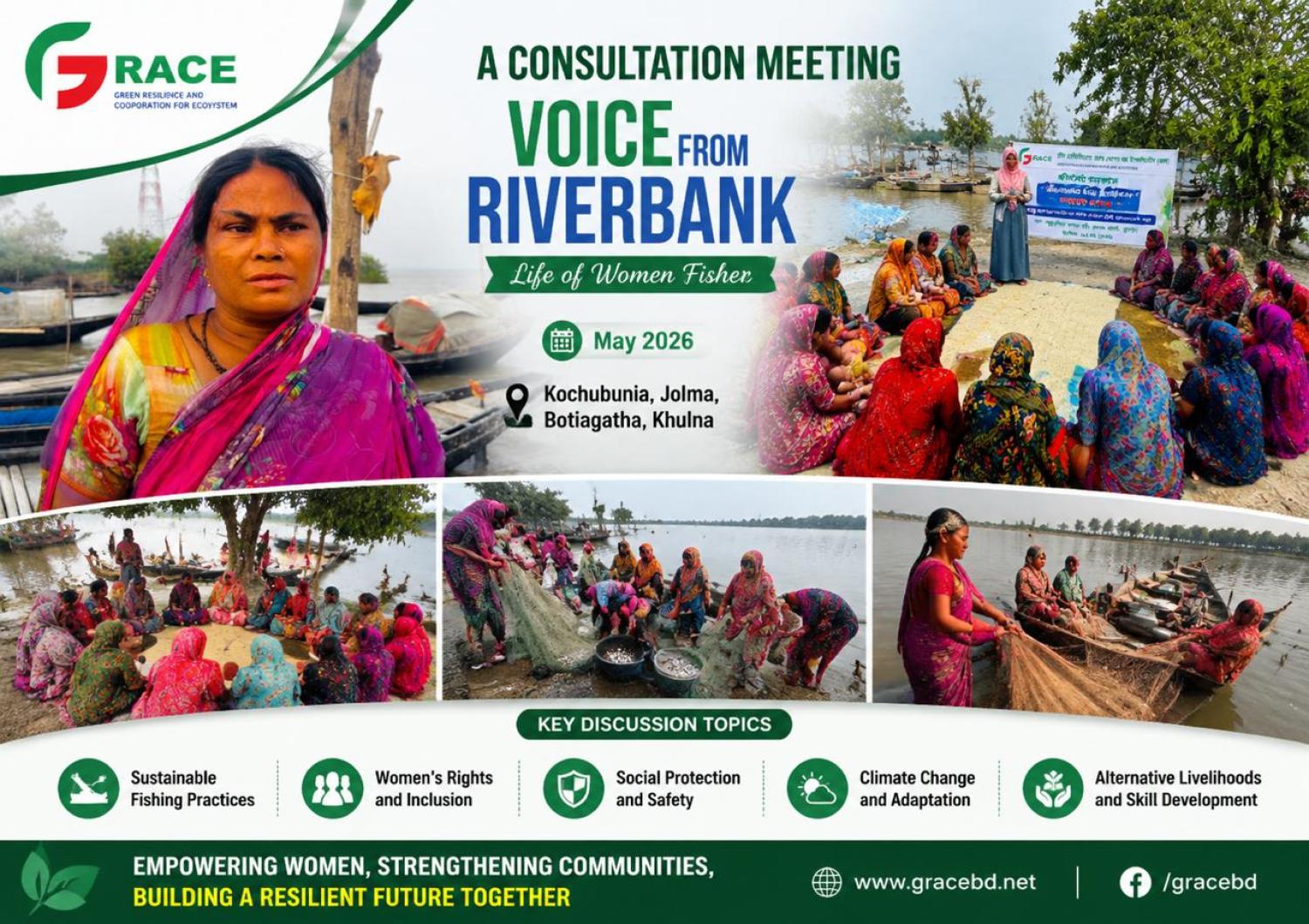 Climate Resilience
From Climate Vulnerability to Community Resilience
Climate
change is no longer a distant environmental challenge—it is reshaping
livelihoods, food systems, health, water security, ecosystems and economic
opportunities for vulnerable communities. In Bangladesh’s coastal and
urbanising areas, communities are facing increasingly interconnected risks from
climate variability, disasters, environmental degradation, livelihood
insecurity and social vulnerability.
GRACE works
to turn these interconnected risks into pathways for resilience, innovation and
sustainable development.
Our
approach goes beyond responding to disasters. We work with communities to anticipate
risk, strengthen adaptive capacity, diversify livelihoods, protect ecosystems
and develop practical solutions that enable vulnerable households to withstand,
adapt to and recover from climate shocks.
Our Climate Resilience Approach
GRACE
promotes locally led, evidence-informed and community-driven climate action,
connecting climate adaptation with livelihoods, food security, environmental
protection, health, gender equality and social inclusion.
Our
technical approach combines:
- Climate-Smart Agriculture,
Livestock, Poultry and Aquaculture
- Disaster Risk Reduction,
preparedness and early warning
- Nature-based and
ecosystem-responsive solutions
- Green livelihoods and
climate-resilient enterprises
- Sustainable natural
resource and environmental management
- Community-based adaptation
and resilience planning
- Urban and peri-urban
climate resilience
- Women- and youth-led
climate action
- Climate-responsive WASH,
health and nutrition
- Knowledge generation,
learning and evidence-based programming
This
integrated model reflects GRACE’s wider thematic focus on climate change,
disaster management and environmental protection, while linking resilience with
green business, health, WASH, urban resilience and inclusive development.
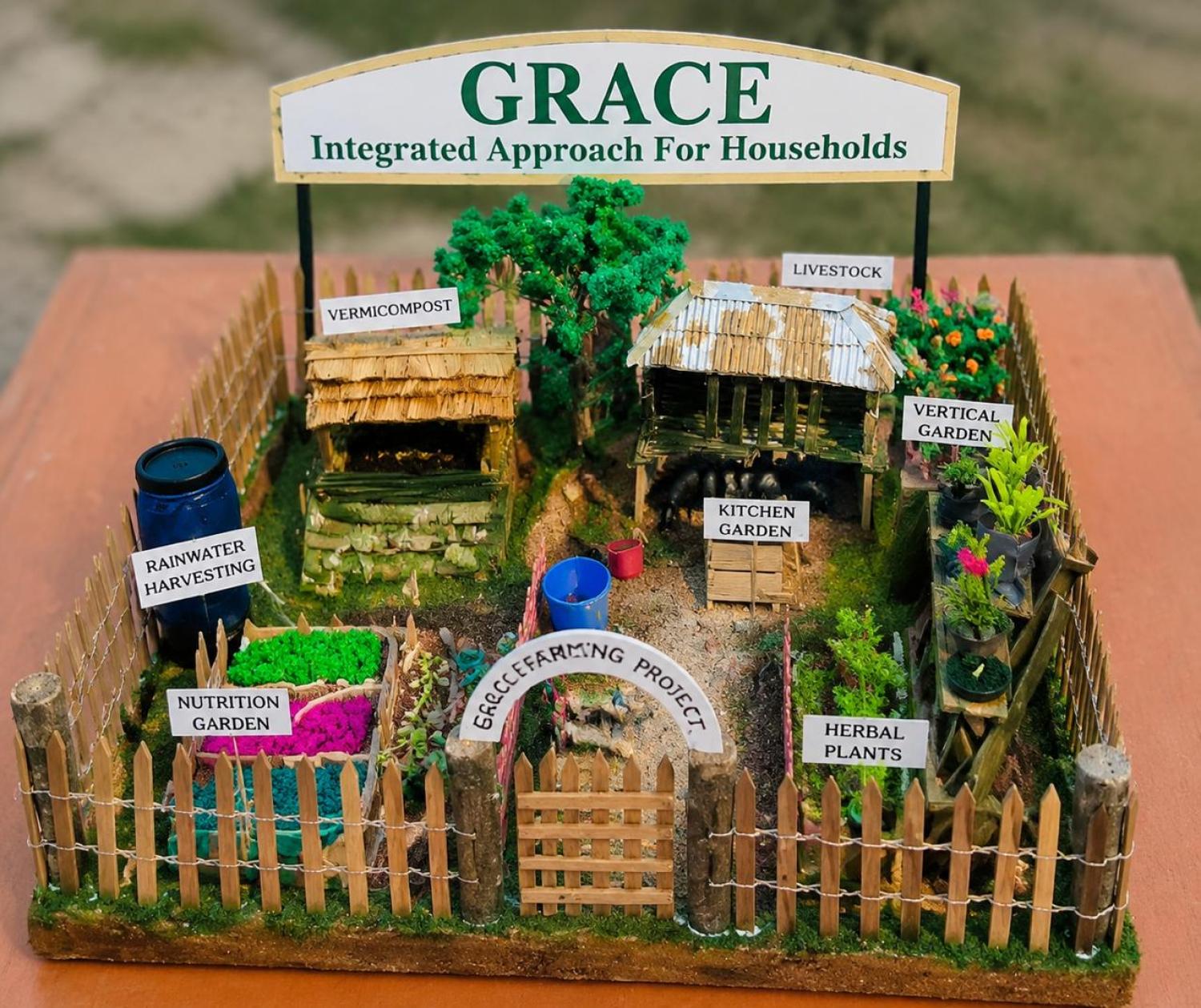
Turning Local Challenges into Local Solutions
GRACE
believes that communities are not merely recipients of climate
interventions—they are co-creators of solutions.
Our work
therefore starts with understanding household and community vulnerability,
existing assets, local knowledge and livelihood systems. We then combine
community priorities with technical knowledge, appropriate technologies and
practical demonstrations.
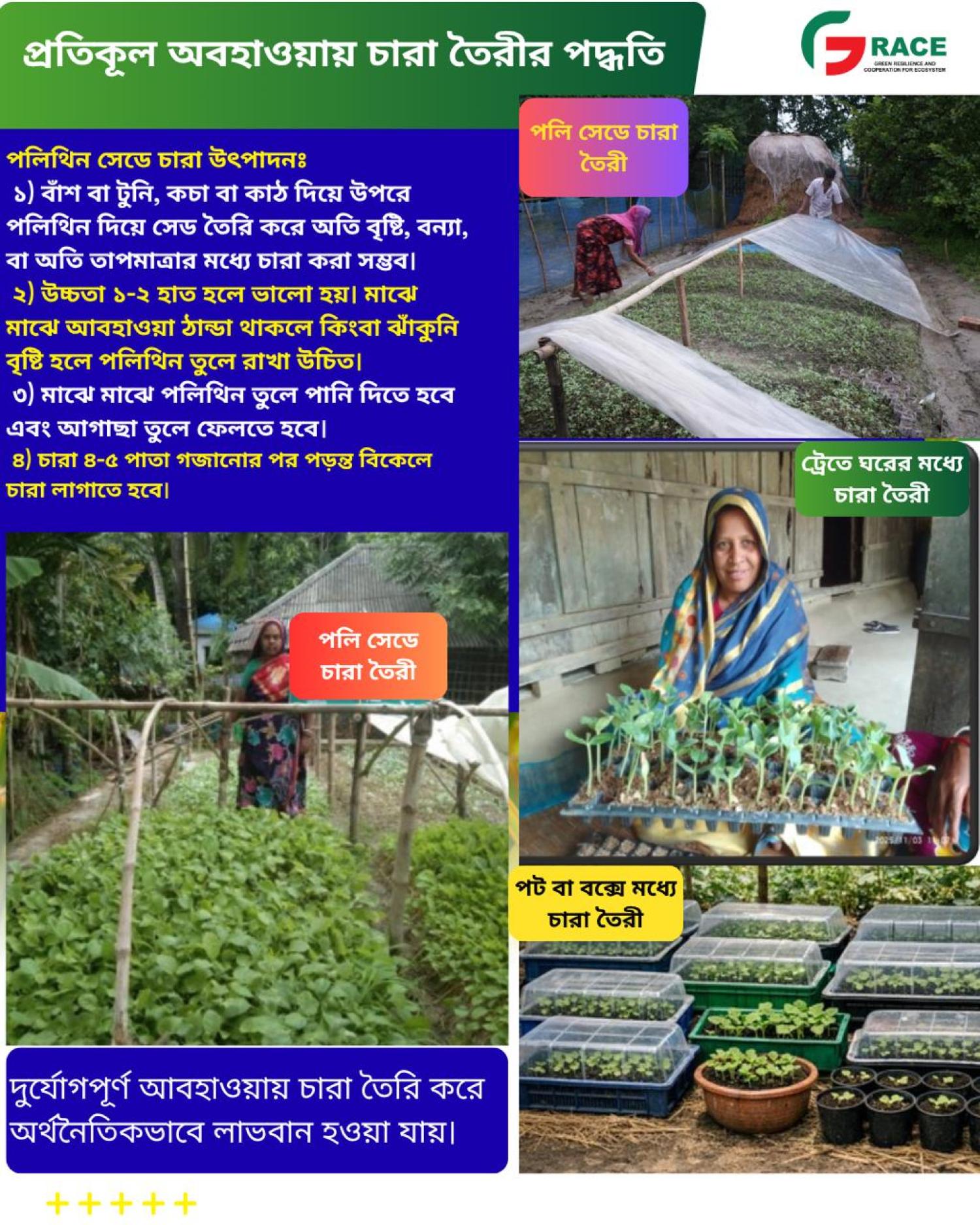
Current
and emerging solutions include climate-smart farming, resilient crop varieties,
sustainable livestock and poultry systems, aquaculture innovations, organic
inputs, green enterprises, waste management, renewable energy, ecosystem
restoration and community-based disaster preparedness. GRACE’s Green
Agriculture work already integrates climate-smart agriculture with livestock,
poultry and aquaculture, entrepreneurship, seed preservation, vermicompost,
demonstration plots and community mobilization.
From Vulnerability Assessment to Resilient Livelihoods
GRACE is
developing an integrated resilience pathway:
Assess
vulnerability → Identify household assets → Co-design solutions → Demonstrate
innovations → Build capacity → Strengthen livelihoods → Measure results →
Replicate and scale
This
enables climate action to become tangible at household level.
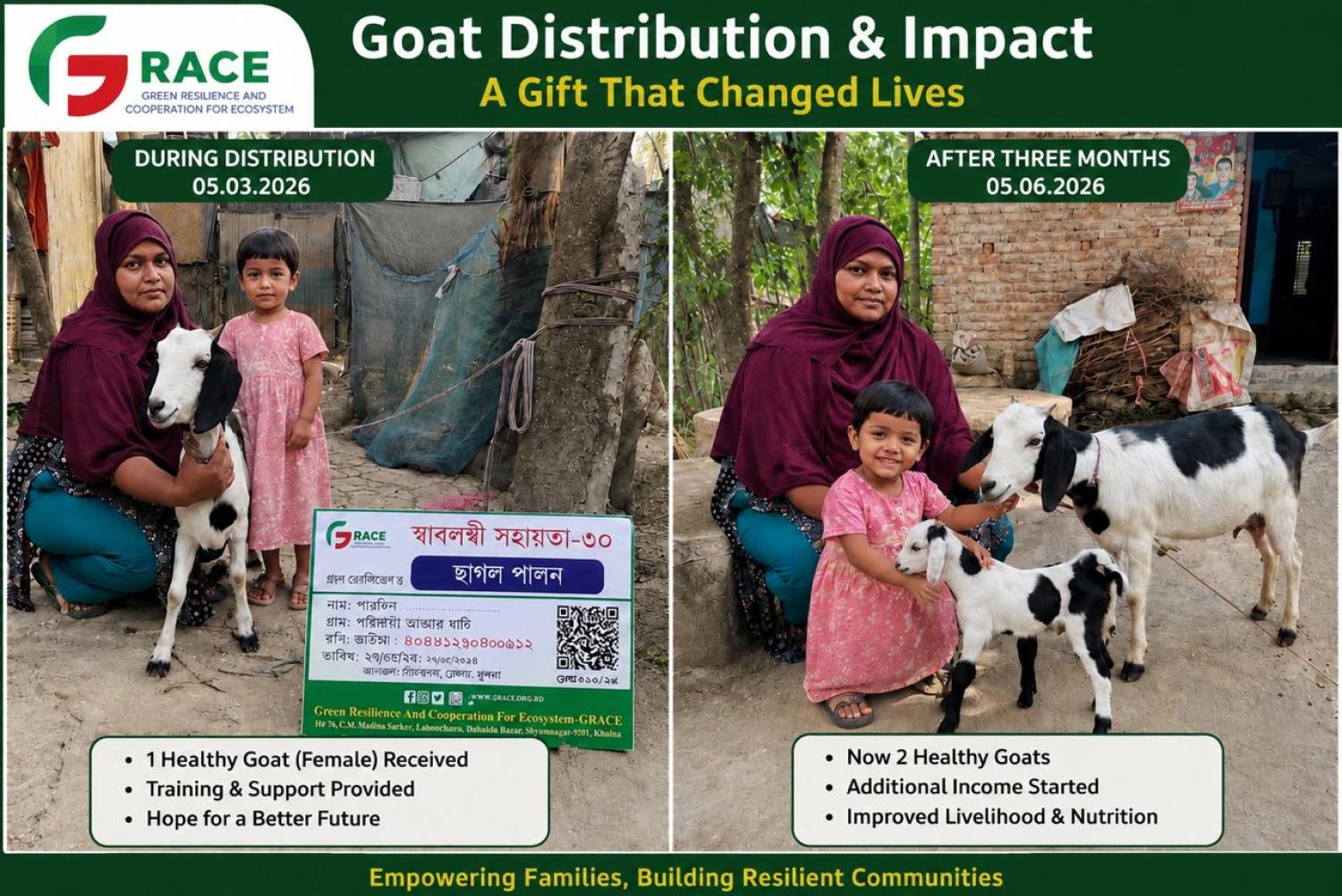
For
example, GRACE’s work with vulnerable women has connected climate adaptation
with green agriculture, poultry, livestock, aquaculture, entrepreneurship
and economic empowerment, recognising women as active agents of climate
resilience rather than passive beneficiaries. GRACE’s 2024–25 annual reporting
documents a vulnerability assessment reaching 356 households in Khulna City and
Botiaghata and an initiative focused on women-led climate action and economic
development.
Technical Leadership That Connects Global Knowledge with
Local Action
GRACE
combines experienced technical and advisory leadership with strong grassroots
engagement to address the complex and interconnected impacts of climate change.
Our
leadership and advisory network draws on national and international development
experience across climate resilience, disaster risk reduction, environmental
protection, sustainable livelihoods, health and WASH, urban resilience, gender
and social inclusion, MEAL and social enterprise development.
This
multidisciplinary capacity helps GRACE bridge the gap between evidence and
implementation, global climate priorities and local realities, and innovation
and practical community solutions. Through community participation, technical
guidance, learning and adaptive programming, GRACE develops solutions that are
locally relevant, measurable and suitable for replication and scale.
Our
strength lies in bringing together experienced professionals, community
knowledge and locally tested innovation to build resilience that lasts.
This
combination of field implementation, technical expertise, research, policy
understanding and international development experience enables GRACE to
translate global climate priorities into locally workable solutions.
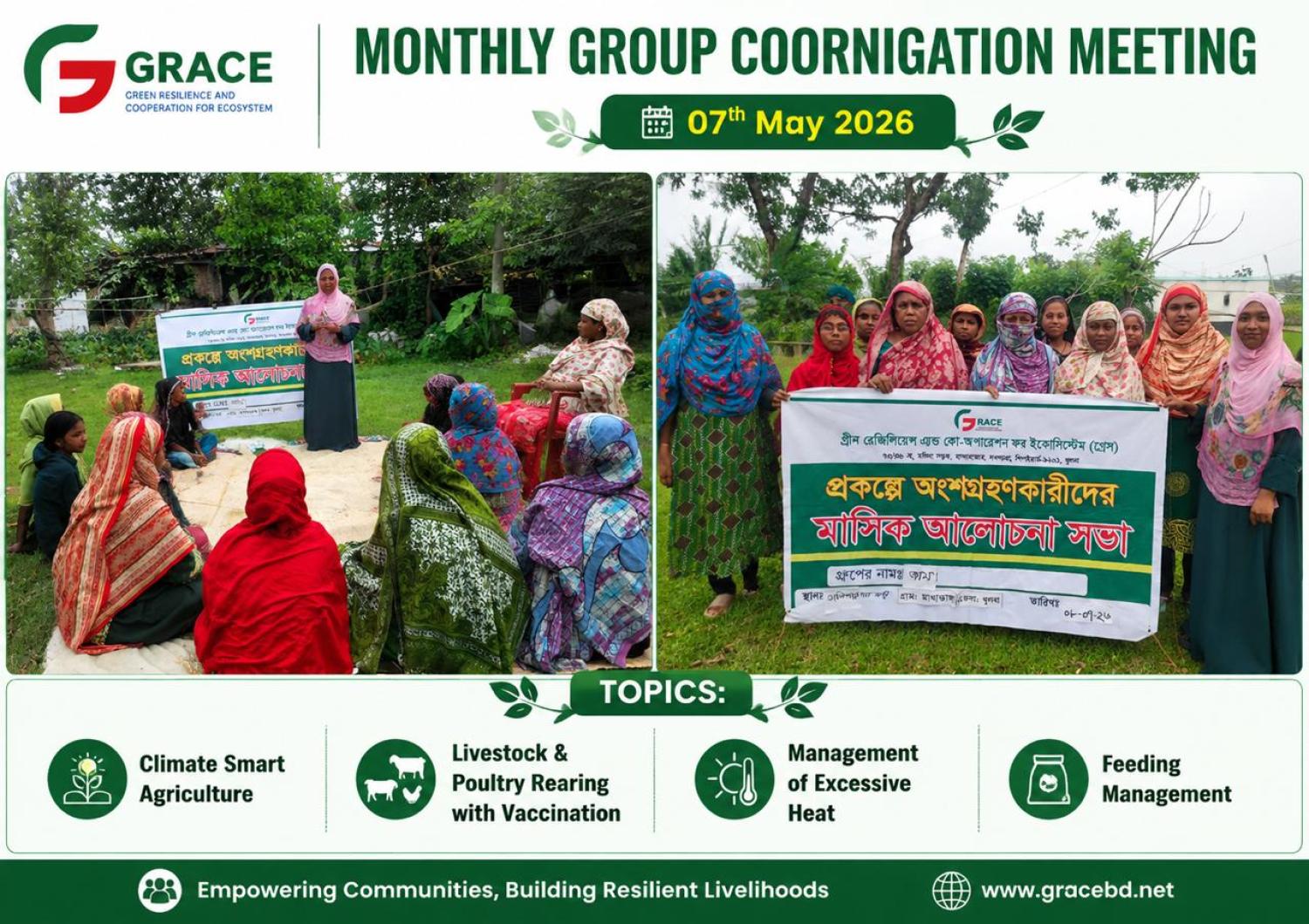
Demonstrating Resilience in Practice
GRACE is
already putting this approach into practice through ongoing and completed
initiatives.
Its
current integrated community resilience model in the south coastal region
combines climate-smart agriculture, livestock, poultry and aquaculture,
disaster risk reduction and early warning, green entrepreneurship and
livelihoods, health and nutrition, and environmental action.
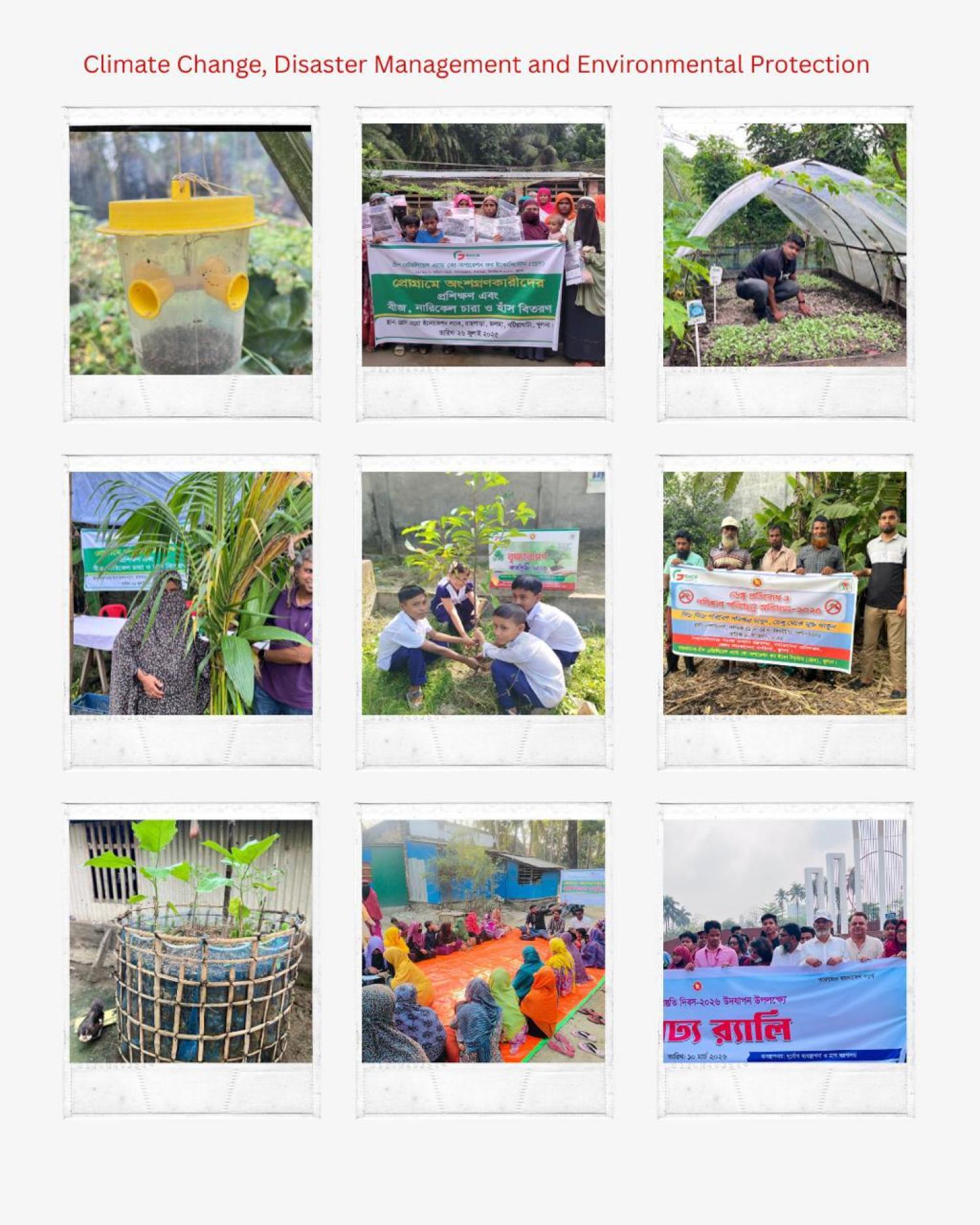
Other
organisational initiatives include women-led climate action, green agriculture
and agro-based livelihoods, vermicompost production, climate-smart farming
demonstrations, community environmental campaigns, tree plantation,
waste-management activities, aquaculture innovation and research on
climate-induced migration and vulnerable communities.
GRACE also
maintains a growing body of publications, annual reports, vulnerability
assessments, newsletters and learning resources, providing a foundation for
evidence-based programme development and knowledge sharing.
Nature, People and Livelihoods—One Resilience Agenda
GRACE sees
climate resilience as a connection between people, nature and the local
economy.
Our
emerging model integrates:
Climate
Adaptation + Nature-Based Solutions + Green Livelihoods + Disaster Preparedness
+ Gender Equality + Local Knowledge + Innovation
This
enables climate interventions to generate multiple benefits—protecting
ecosystems while strengthening household income, improving food security,
reducing disaster vulnerability and creating opportunities for women and youth.
Partnership for Scale
GRACE is
building its climate resilience portfolio with the ambition to move successful
community innovations from pilot to evidence, evidence to partnership, and
partnership to scale.
We welcome collaboration with donors, INGOs, national NGOs, government institutions, universities, research organisations, private-sector partners and climate-finance actors to design and scale locally appropriate solutions for Bangladesh’s most climate-vulnerable communities.
Our Ambition
To help
communities move from surviving climate shocks to anticipating risk, adapting
with confidence and creating sustainable futures.
GRACE —
Building Resilience. Enabling Green Futures.
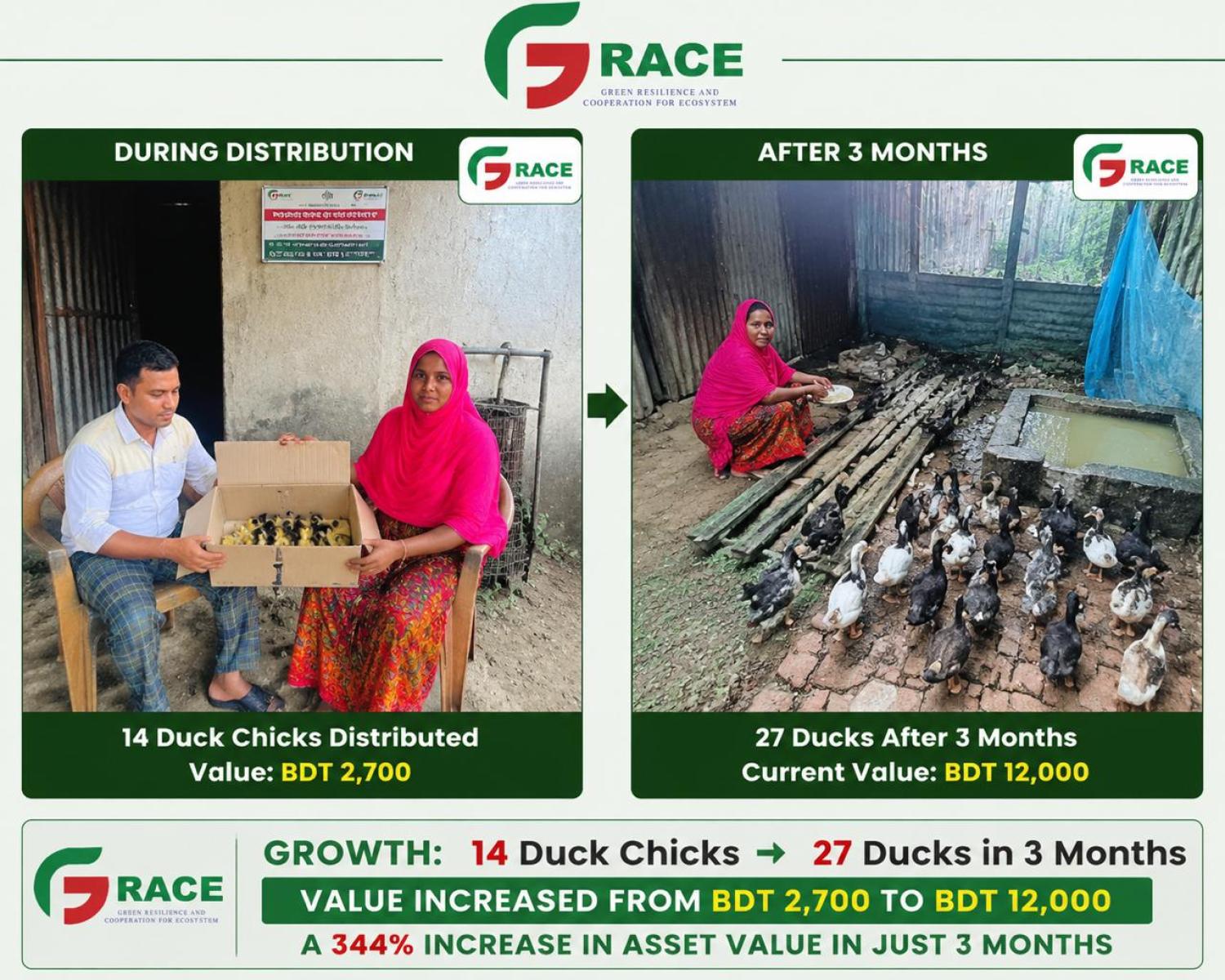
Photo gallery:
Our Partners