

1st COASTAL CHILDREN ANNUAL SPORTS-2024

REVIVING COMMUNITY SPIRIT AND CHILDREN’S DEVELOPMENT IN KHULNA
The South-West coastal region of Bangladesh, particularly Khulna, faces critical challenges in mental and physical health, education, and cultural wellbeing due to climate-induced migration, salinity intrusion, and urban stress. Studies show that coastal populations are experiencing heightened mental distress linked to economic and non-economic loss and damage, environmental change and displacement. Child malnutrition remains widespread in coastal districts, contributing to stunting, poor physical growth, and school absenteeism. Among reproductive-aged women, nearly 68% face one or more high-risk fertility behaviors, compounded by limited contraceptive use, low education, and early marriage. Climate-driven migration further disrupts children’s education and weakens cultural cohesion. Against this backdrop, the 1st Annual Sports initiative offers an inclusive platform to improve physical activity, promote mental resilience, strengthen cultural participation, and re-engage children and youth in education—particularly benefitting urban coastal migrant children, women, elderly people, persons with disabilities, and adolescent girls.
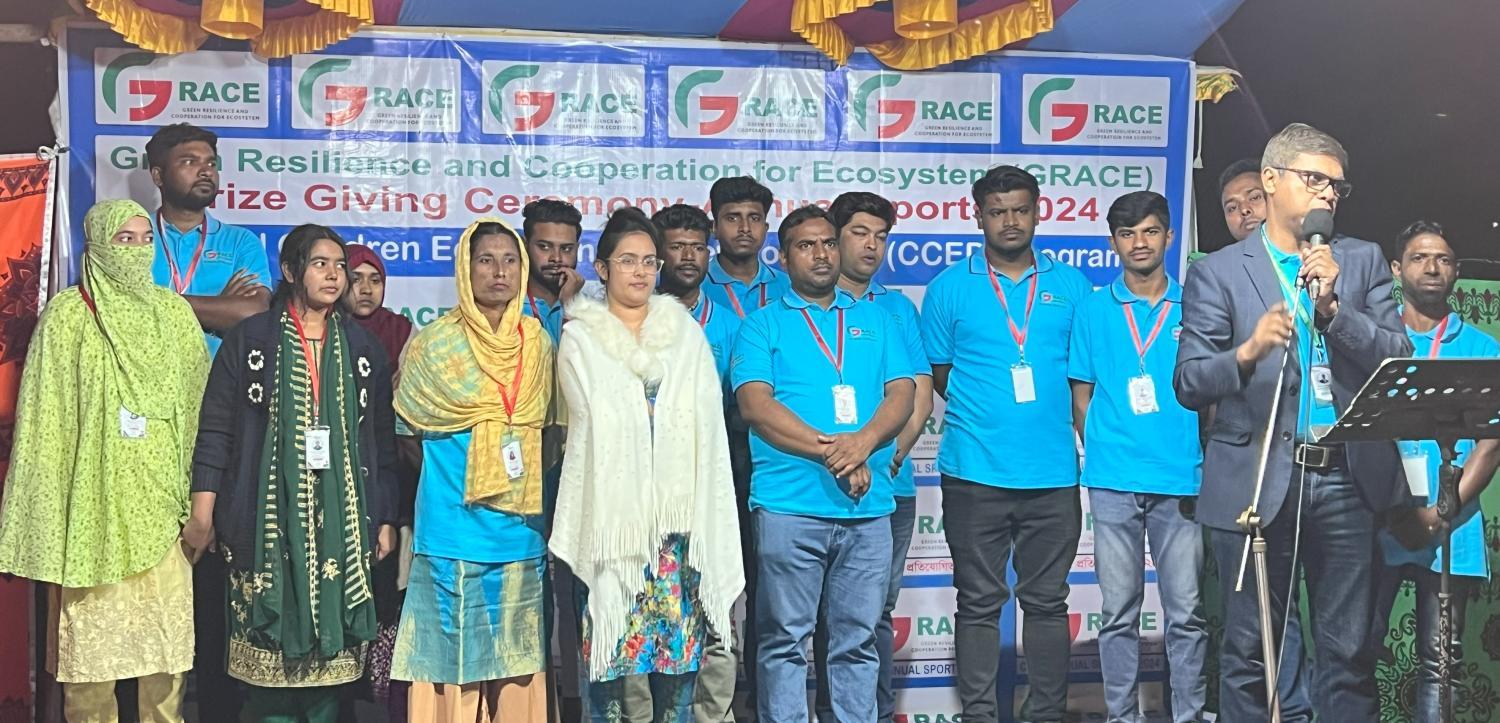
In December 2024, GRACE organized its First Annual Sports Competition under the initiative of Children’s Education and Development. The event was held from December 1 to December 26, 2024, in the bustling heart of Khulna’s Bandabazar, with the purpose of addressing cultural, social, and religious barriers, while also fostering mental and physical wellbeing, moral education, and academic growth.
For many children in urban coastal migrant communities, the absence of open playgrounds, excessive screen time, and a lack of healthy recreation are pressing issues. This competition was launched to restore the joy of outdoor play, strengthen community bonds, and inspire a culture of togetherness across generations. Beyond fun and games, the initiative aimed to promote health, resilience, empowerment, and cultural wellbeing for children, reproductive-aged women, elderly people, persons with disabilities, and youth.
Objectives
The First Annual Sports Competition set out to promote physical fitness, mental wellbeing, and community resilience in Khulna’s urban coastal areas. It created a safe and inclusive platform where children, youth, women, elders, and persons with disabilities could come together, fostering peer learning, teamwork, and cultural integration. The initiative provided young people with positive alternatives to drugs, gossip, and isolation, instead inspiring cooperation and healthy recreation. By encouraging open-field play and outdoor activities, the program reduced screen dependency, strengthened family bonds, and revived community spirit. Aligned with GRACE’s broader vision of localization and sustainable change, the event empowered communities to take ownership of their children’s futures. Ultimately, it laid the foundation for a healthier, more inclusive society where everyone can participate and thrive.
Event Overview
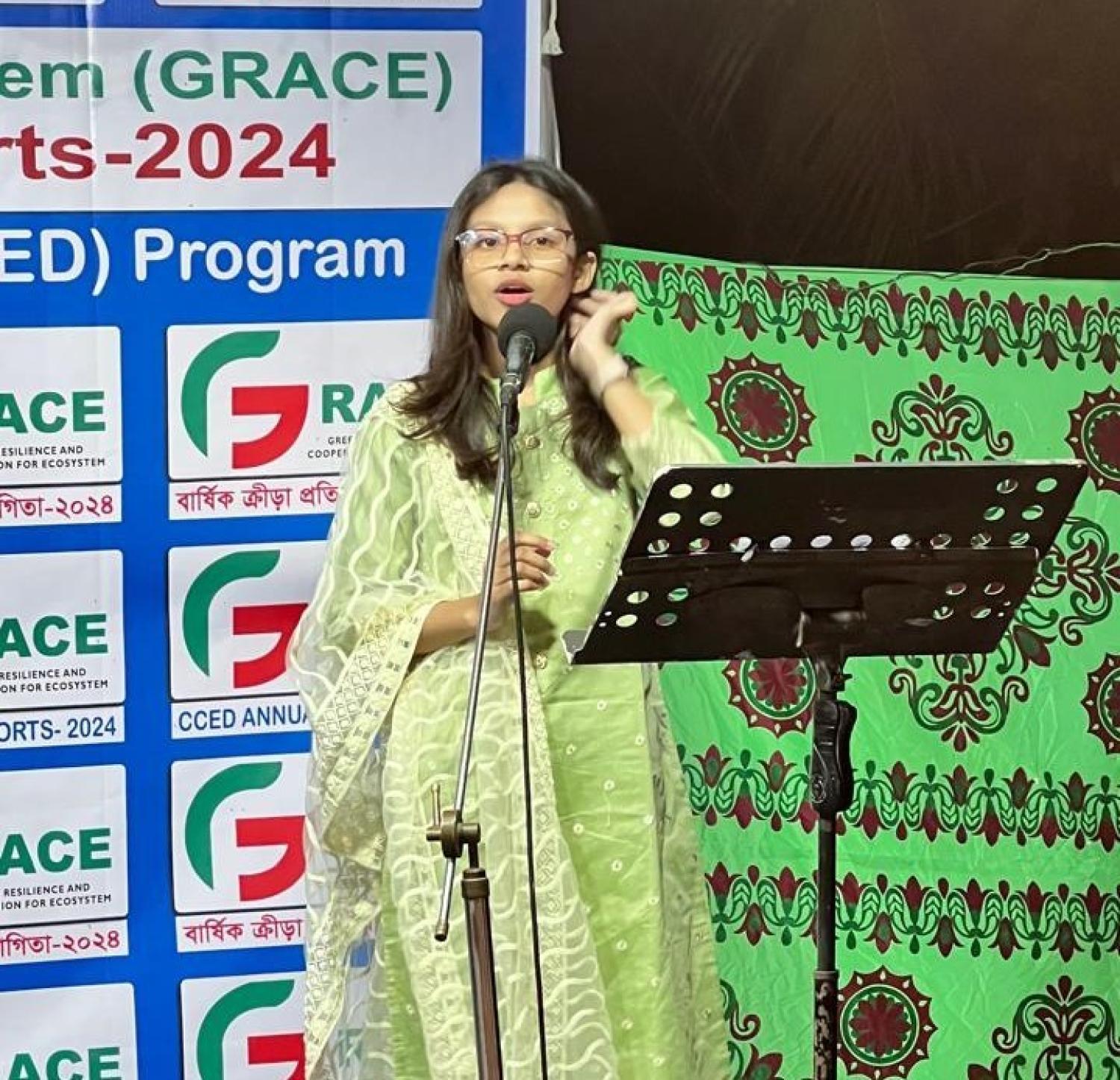
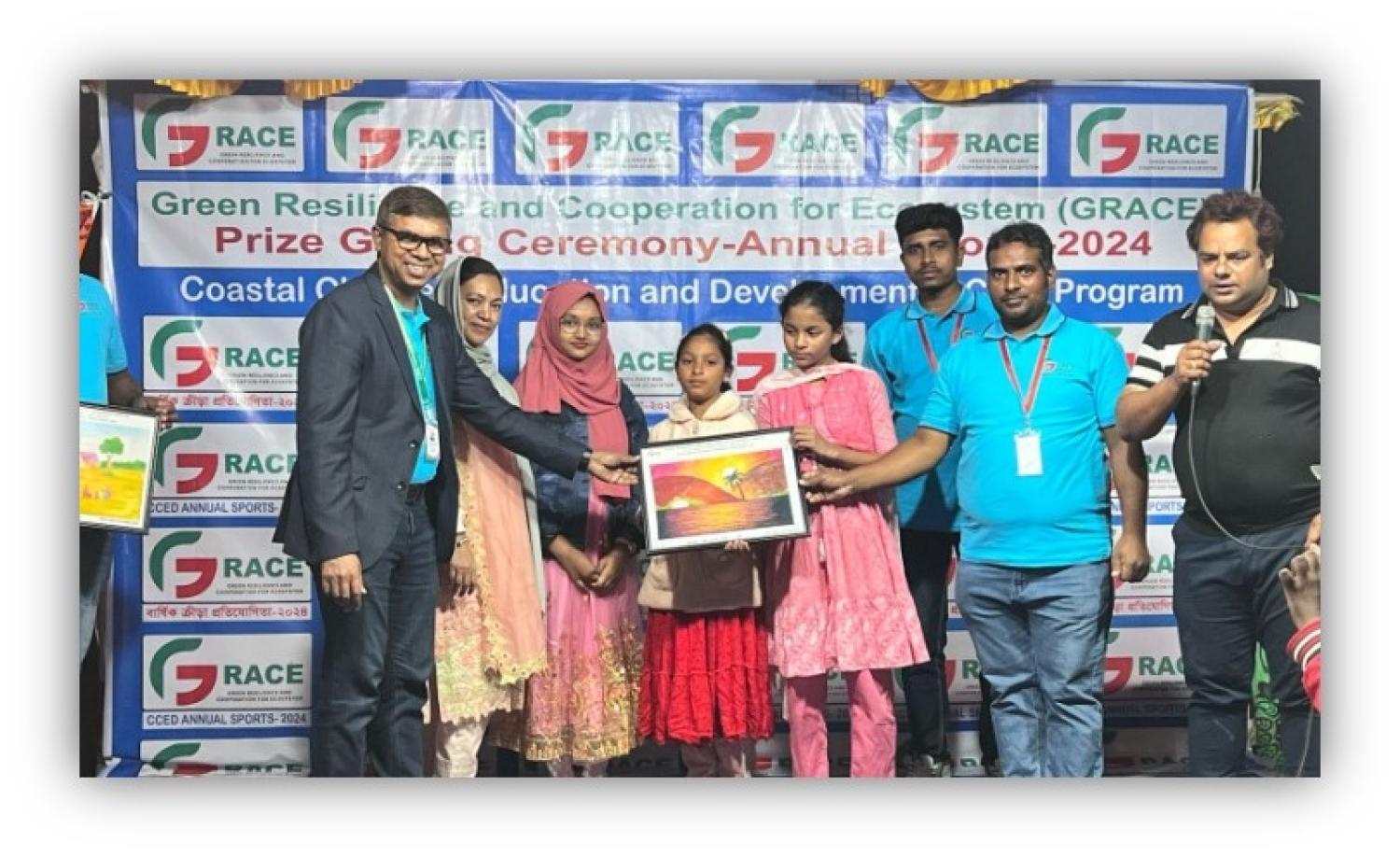
The First Annual Sports Competition was led by 20 dedicated youth leaders from the community and spanned 16 days, engaging all participants in a wide range of activities. The event featured group-specific races, sack races, marble races, poem and art competitions, football, tennis throwing, and speeches on climate change and community resilience led by youth and community members. The final day on 28th December concluded with a vibrant prize-giving ceremony attended by local women leaders, religious figures, and influential community members, who praised the initiative. They expressed that, “No matter what, this event has been and will continue to be a pillar of community transformation, and we will carry it forward in the years to come.” The event successfully combined physical activity, cultural expression, and civic engagement, leaving a lasting impact on both participants and the broader community.
Participation
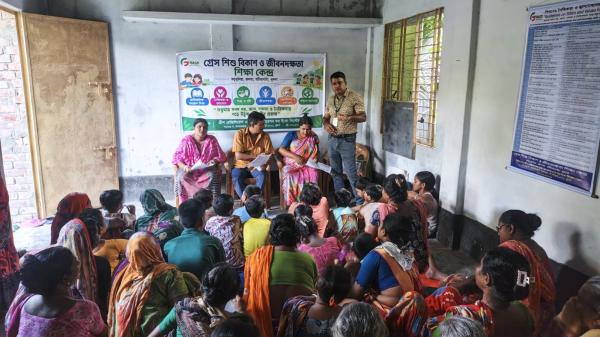
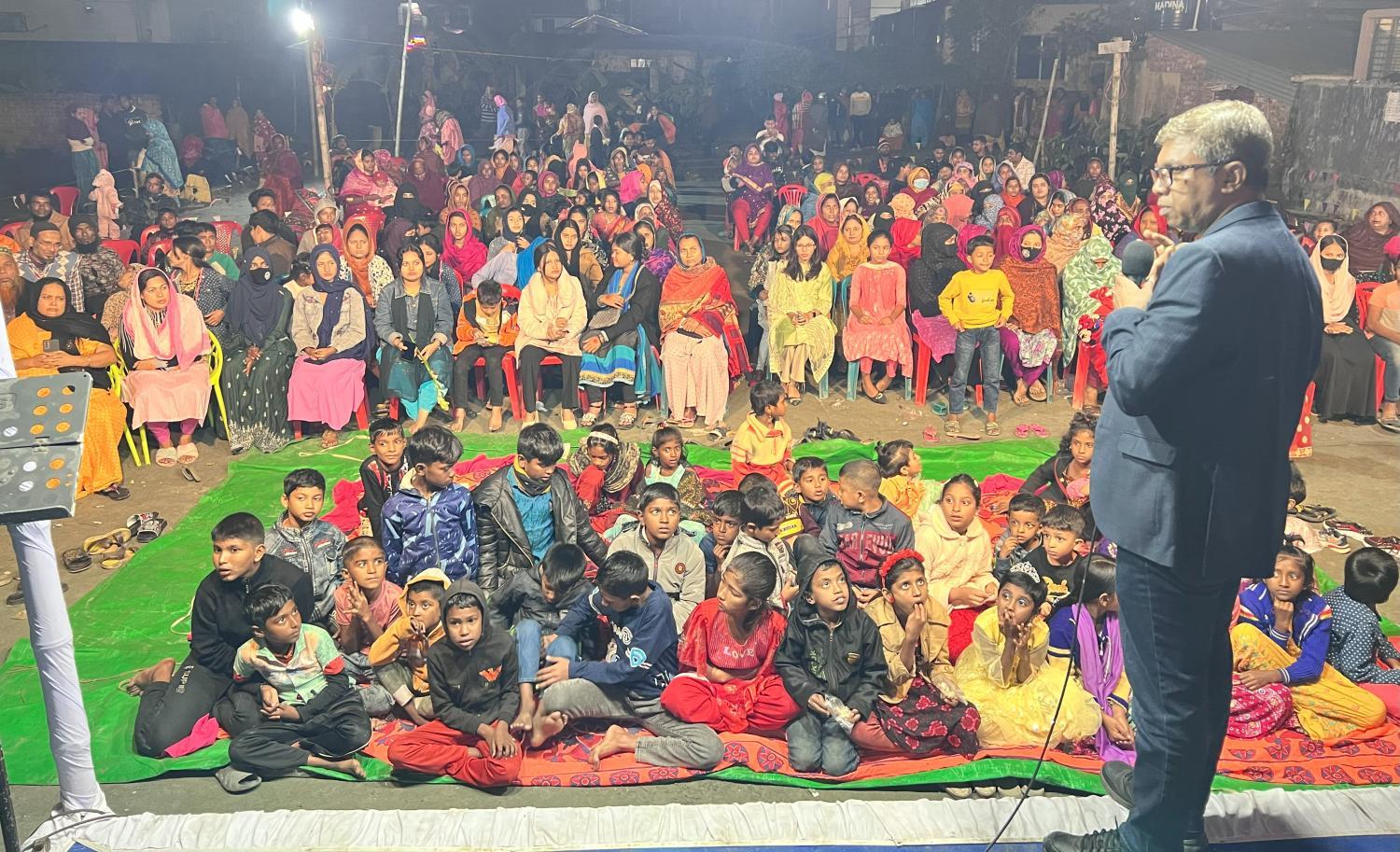
The First Annual Sports Competition brought together a diverse group of 402 participants, reflecting strong community ownership and inclusion. A total of 130 women actively joined, highlighting the event’s role in breaking cultural barriers and promoting female participation. Among children, 120 boys and girls, including 40 girls, found a safe space to play and learn teamwork, while 7 children with disabilities were meaningfully included—ensuring no one was left behind. The presence of 25 youth boys and 80 men reinforced intergenerational bonding, where families and neighbors played side by side. Beyond the numbers, the event strengthened community resilience, gender inclusion, and cultural wellbeing, leaving a lasting impact on both participants and the wider community.
Major Outcomes
• Enhanced Community Resilience: Over 400 participants, including children, youth, women, elderly, and persons with disabilities, actively engaged, fostering stronger community bonds and social cohesion.
• Promoted Gender and Social Inclusion:130 women, 40 girls, and 7 children with disabilities participated, demonstrating progress toward equitable access to recreation and empowerment.
• Improved Physical and Mental Wellbeing: Regular participation in sports activities such as football, kabaddi, and tennis helped reduce stress, improve stamina, and encourage healthier lifestyles.
• Positive Youth Engagement: The event provided safe alternatives to drugs, gossip, and screen addiction, encouraging teamwork, leadership, and discipline among young participants.
• Increased Access to Play and Learning Opportunities: Children from underserved communities were given a chance to play in open fields, rediscover joy, and build essential social and cognitive skills.
• Strengthened GRACE’s Community Leadership: The successful execution of the event reinforced GRACE’s reputation as a trusted organization promoting health, unity, and sustainable change, paving the way for future community-based initiatives.
Challenges and Way Forward
• Limited Resources for Large-Scale Sports Events
o Way Forward: Seek sponsorships, partnerships, and community support to expand future events.
• Managing Multiple Sports Simultaneously
o Way Forward: Improve planning, allocate additional volunteers, and streamline event schedules for smoother execution.
• Weather Disruptions During Certain Days
o Way Forward: Develop contingency plans, including indoor backup activities and flexible scheduling.
• Ensuring Inclusion of All Participants (Women, Children, PWDs)
o Way Forward: Provide targeted outreach, accessible facilities, and inclusive equipment for future programs.
• Maintaining Engagement Beyond the Event
o Way Forward: Organize follow-up workshops, community sports clubs, and regular outdoor activity sessions to sustain participation.
Explore further
Our Partners