

Listening Before Designing

Community Wisdom as the Foundation for Climate-Resilient Transformation in Coastal Khulna
Listening Before Designing: Community Wisdom as the
Foundation for Climate-Resilient Transformation in Coastal Khulna
GRACE believes
that sustainable development begins with listening to communities before
designing solutions. In the climate-vulnerable coastal areas of Khulna, where
generations have adapted to changing environments, local knowledge, traditional
practices, and lived experiences provide essential insights for building
resilient futures.
Through its community participation and listening approach, GRACE
engages grassroots communities, particularly marginalized and climate-affected
populations, to understand their realities, challenges, aspirations, and
existing coping mechanisms. The voices of elderly community members, women,
youth, farmers, local entrepreneurs, and community leaders serve as valuable
resources for shaping future interventions.
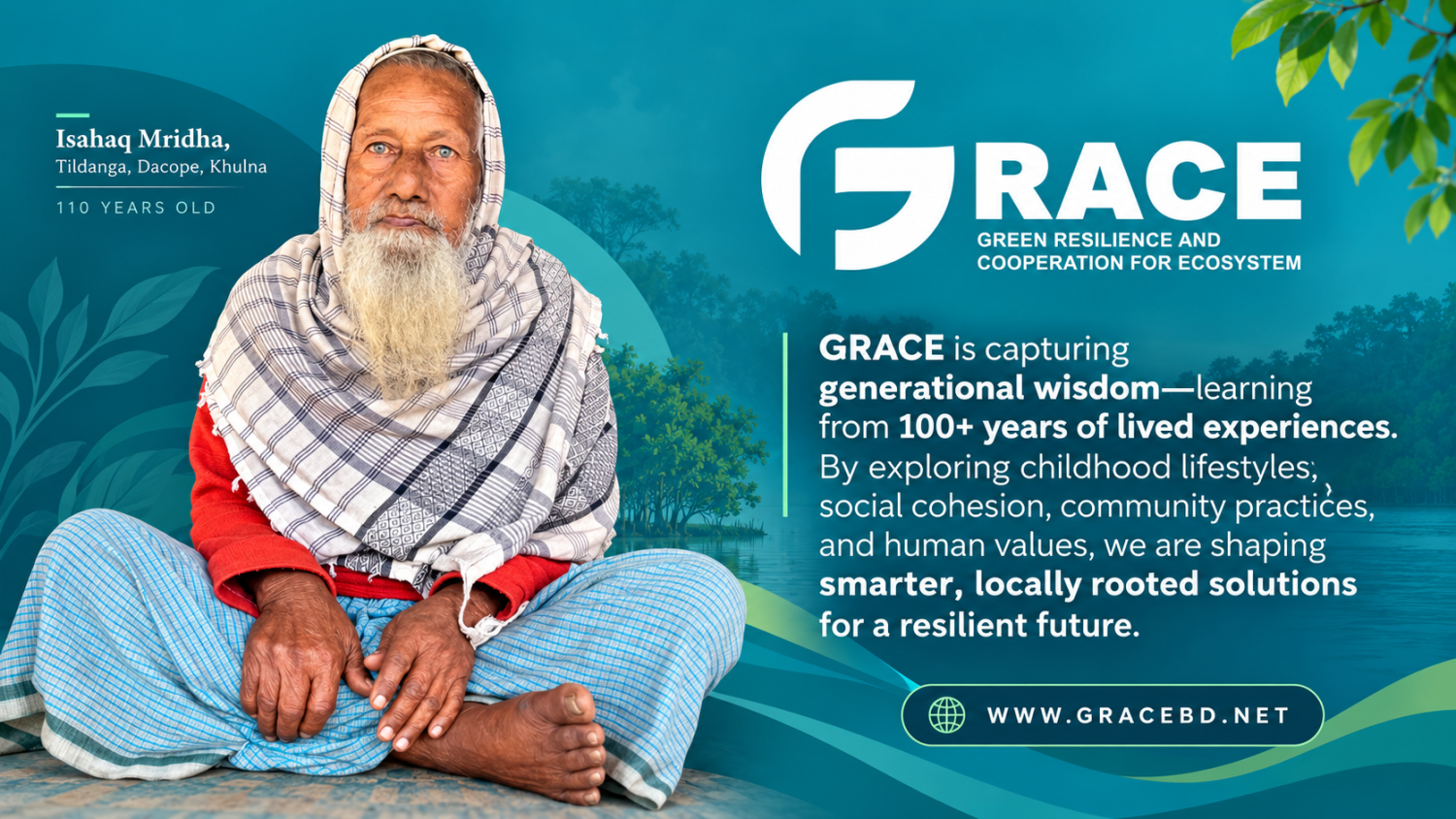
The story of Isahaq Mridha, a 110-year-old community member from Tildanga, Dacope, Khulna, represents the importance of capturing generational wisdom. His experiences reflect decades of social change, environmental transformation, community relationships, traditional livelihoods, and adaptation practices. By documenting these lived experiences, GRACE aims to preserve community knowledge and integrate it into innovative development models.
Listening
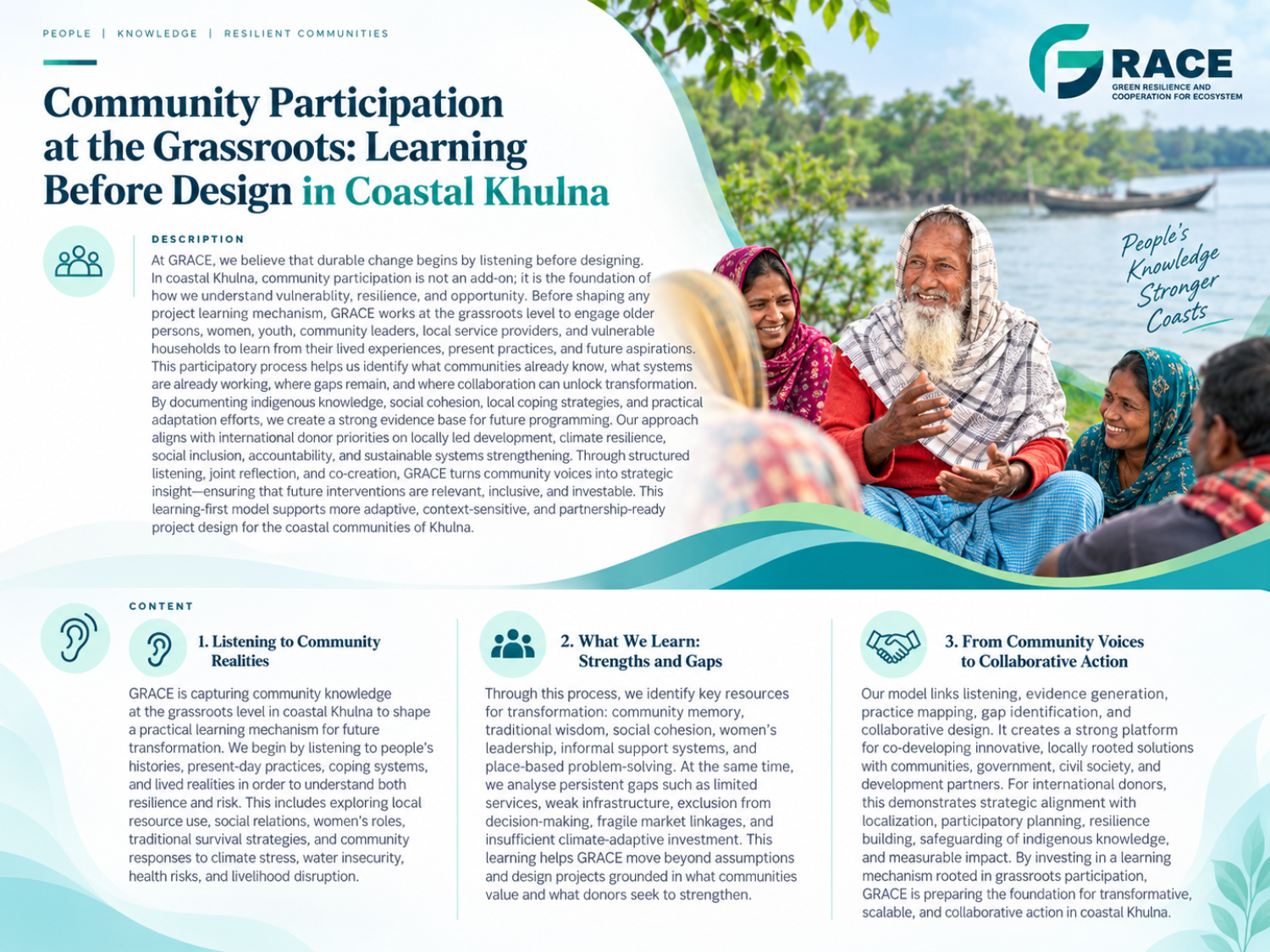
from the Community – Riverbank of Jolma, Botiaghata
During community consultations with 50 women and key informants from the riverbank area of Jolma, Botiaghata, people shared their lived experiences, challenges, and aspirations related to water security, health, hygiene, and climate resilience. Women highlighted the increasing difficulties in accessing safe drinking water due to salinity intrusion, seasonal shortages, and environmental changes, which create additional burdens on their daily lives. They shared concerns about the impacts on family health, nutrition, sanitation practices, and women’s wellbeing. Key informants emphasized the importance of understanding local realities, valuing indigenous knowledge, and ensuring meaningful community participation in designing sustainable solutions. The community expressed strong interest in improved rainwater harvesting, decentralized safe water systems, women-led initiatives, and collaborative approaches that can build resilience and create long-term positive change.
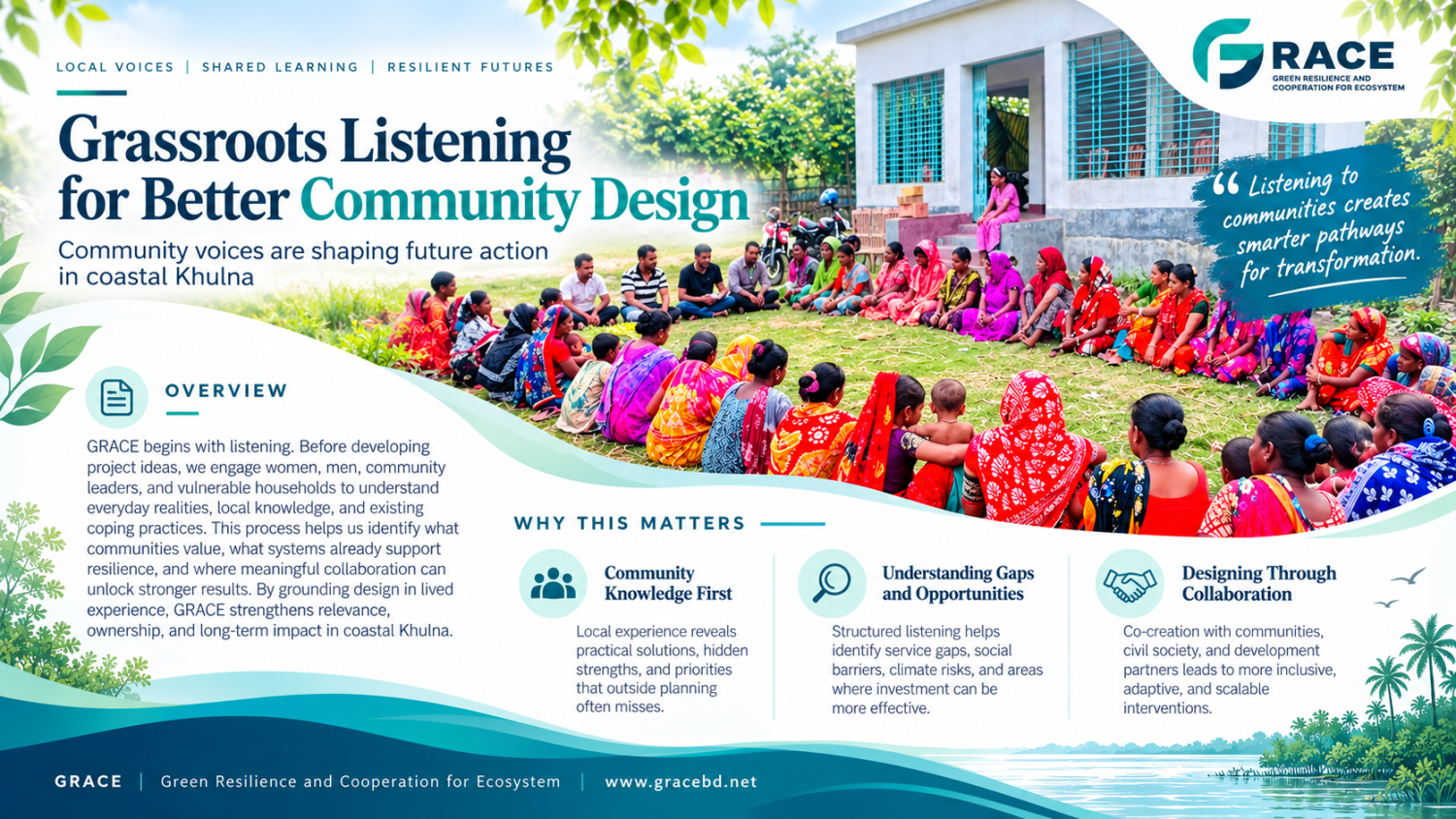
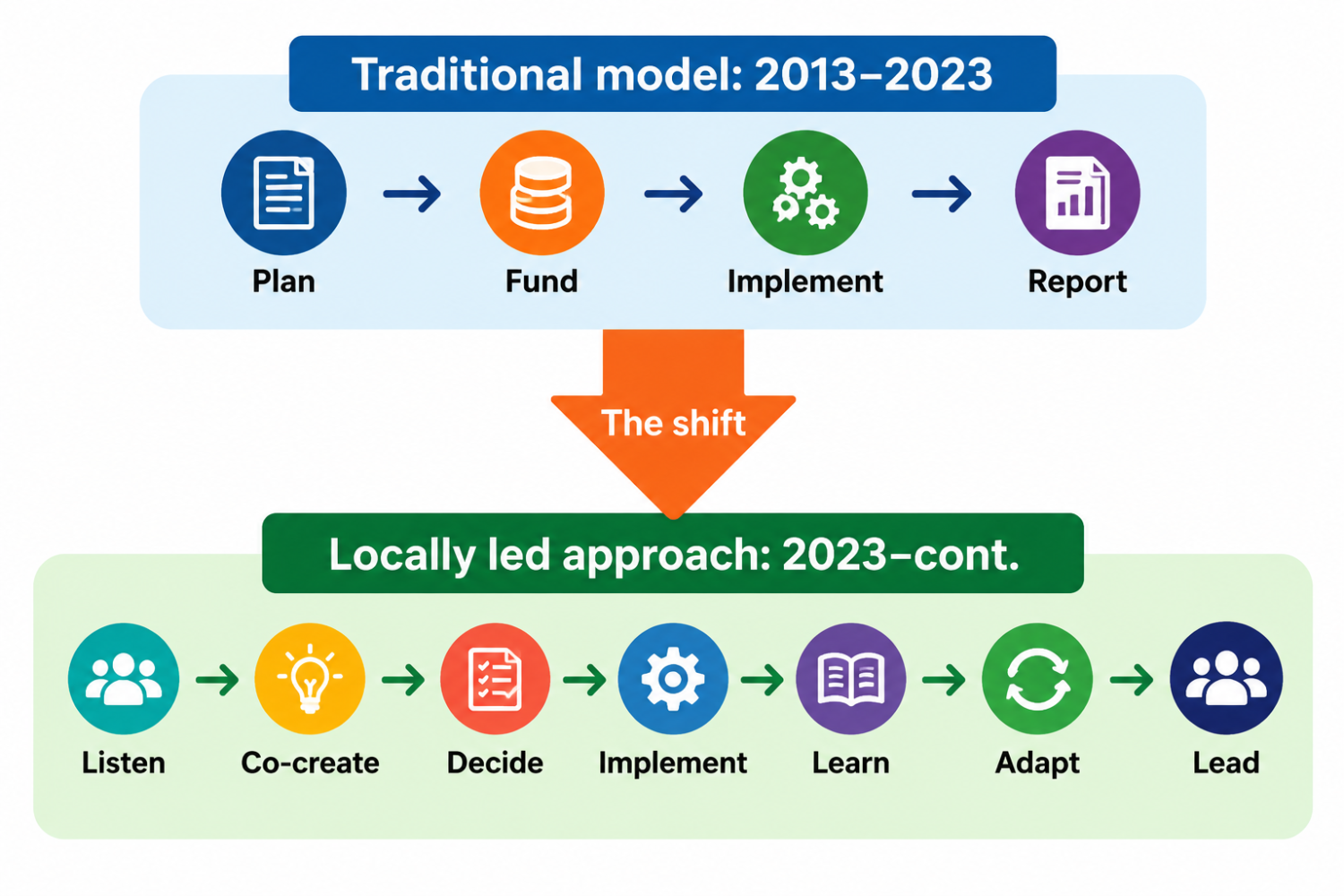
GRACE’s approach follows a strategic pathway:
Listening → Understanding Present Practices → Identifying
Gaps → Co-creating New Designs → Building Partnerships for Sustainable Impact
This
participatory model ensures that projects are not only technically sound but
also locally relevant, culturally appropriate, and owned by communities. By
combining grassroots knowledge with scientific evidence, innovation, and global
development expertise, GRACE creates pathways for climate resilience, inclusive
growth, and sustainable transformation.
Aligned with international donor priorities on locally led development, climate adaptation, community resilience, social inclusion, and evidence-based programming, GRACE welcomes collaboration with governments, development partners, research institutions, and responsible private sector organizations to transform community wisdom into scalable solutions for a resilient future.
Together, we
listen. Together, we design. Together, we build resilient communities.
Explore further
Our Partners